Writing the Haru Space Ecosystem Live
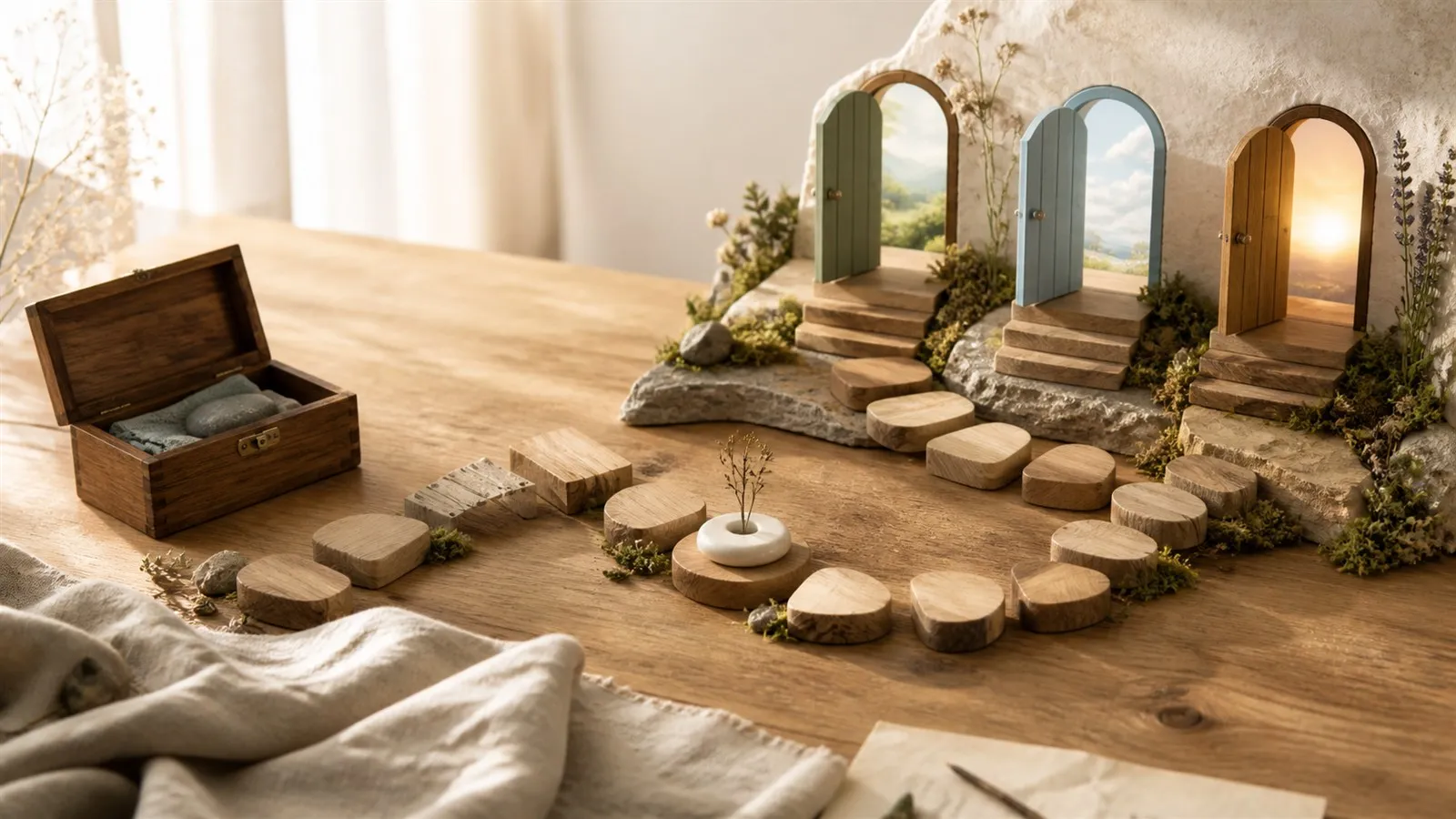
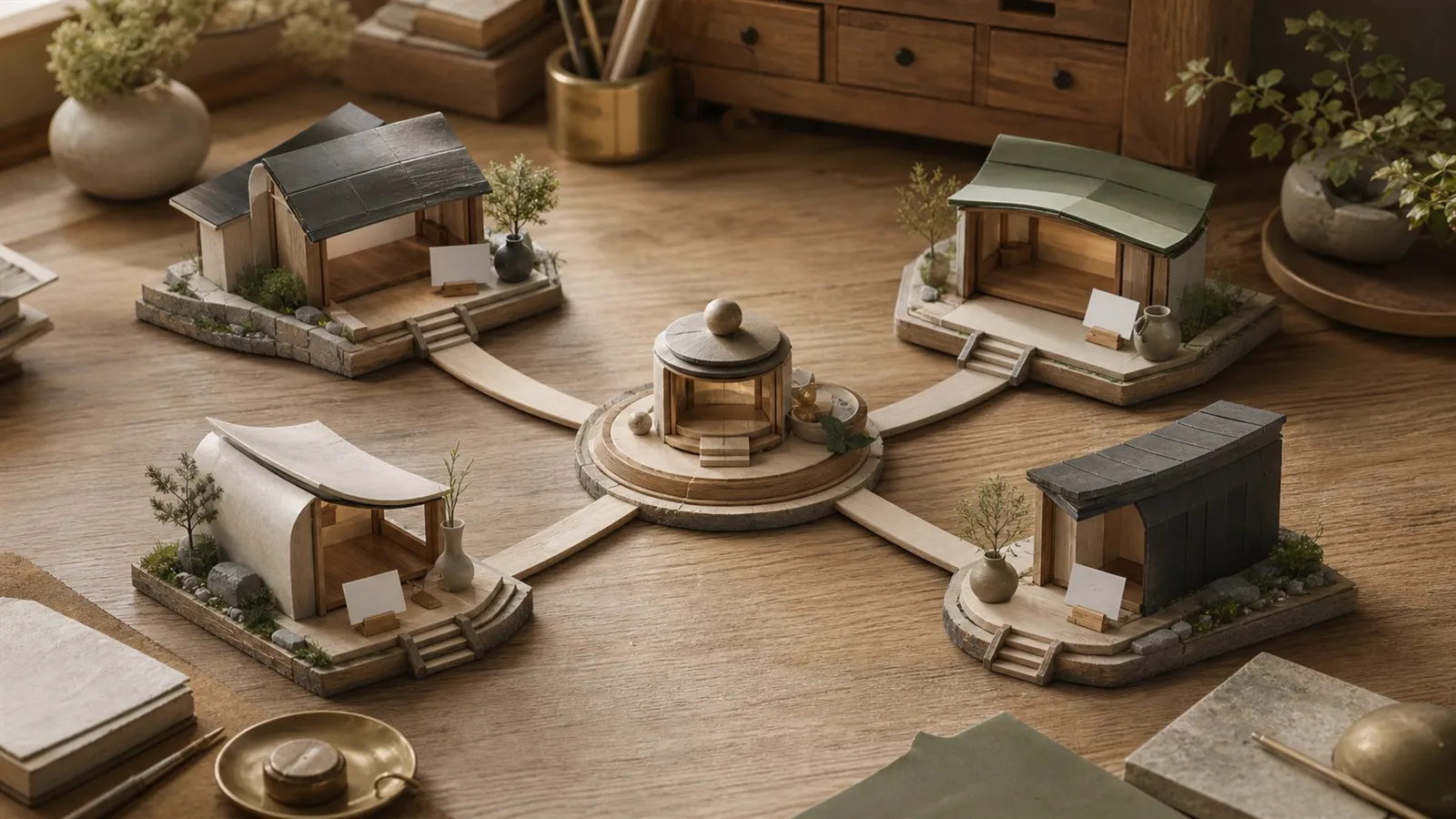
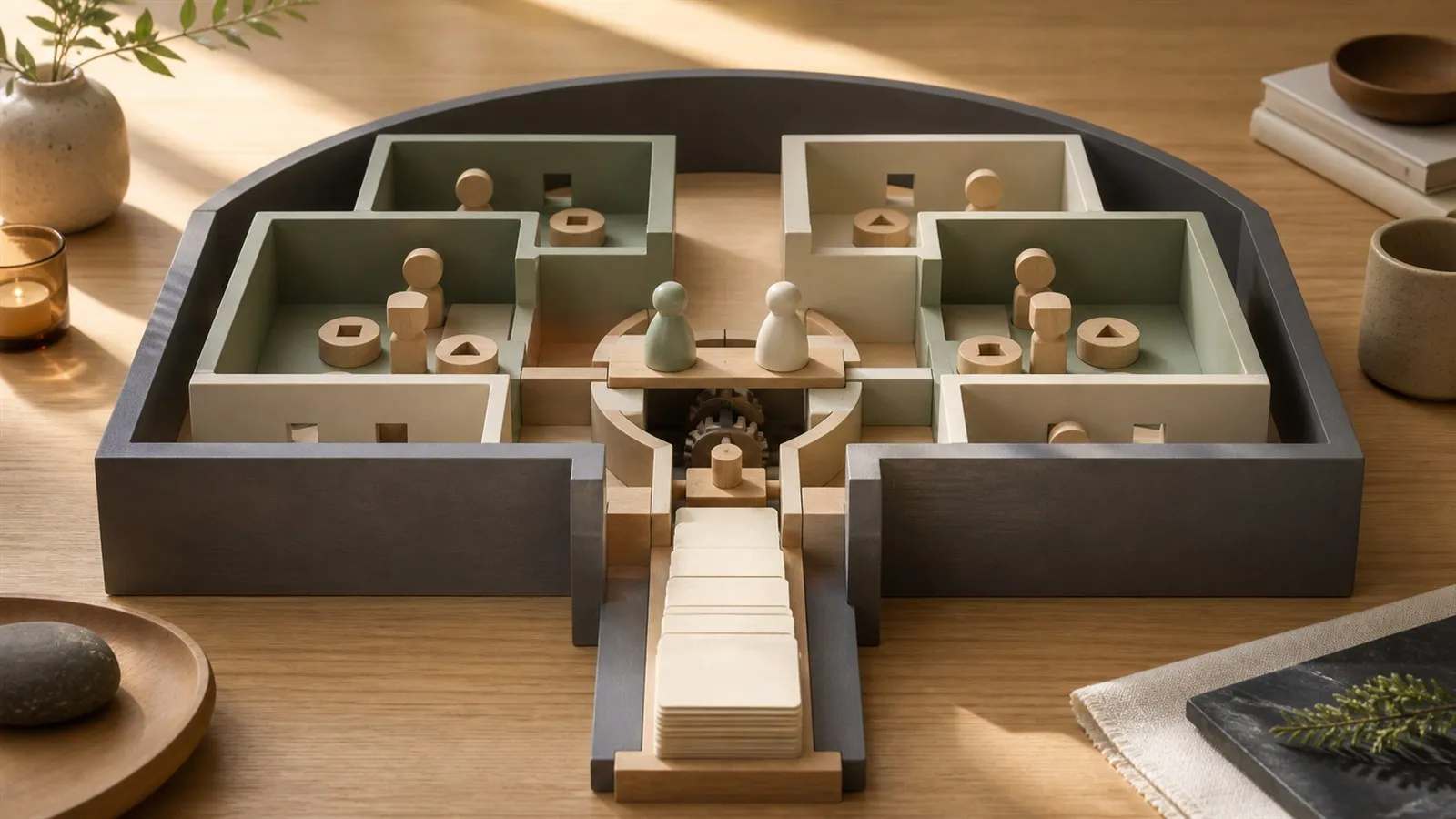
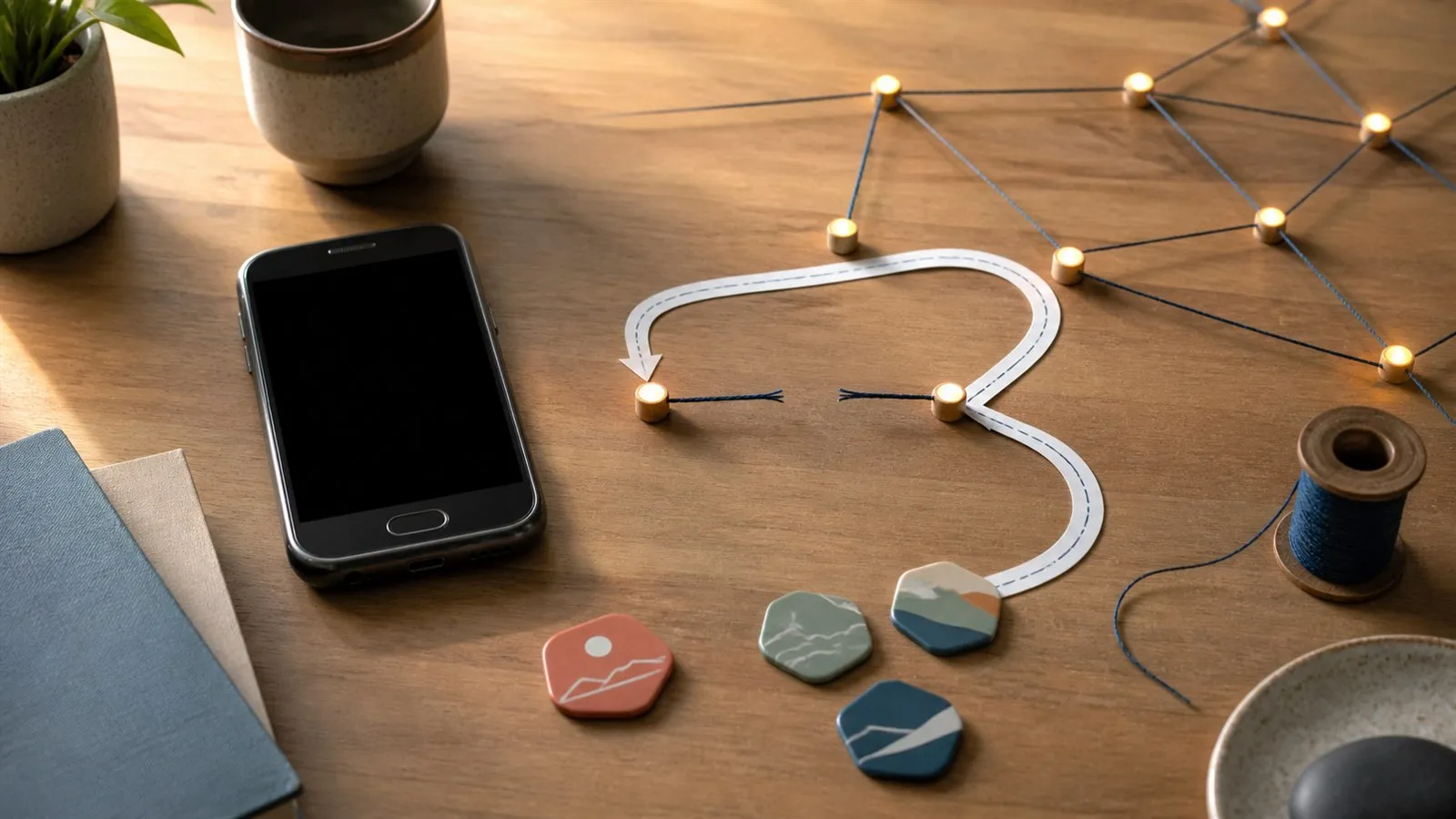
A field note on how Journal, Utilities, Ask, Reframe, Kkamjang, and Coco's Room keep distinct purposes while extending collaboration across people, AI, and groups.
Topics
Service development and collaboration notes
A field note on how Journal, Utilities, Ask, Reframe, Kkamjang, and Coco's Room keep distinct purposes while extending collaboration across people, AI, and groups.
A record of connecting external market signals, mobile loading, and project traffic—and learning to verify one path from browser through API, ledger, provider, and final screen.
An eight-day span connecting project coordination to real code work through editable briefs, shared actions, stage-aware rejection and rework, and durable audit boundaries.
From a member’s first group entry to an administrator’s first code Preview, we rebuilt onboarding as a journey with a safe next step after interruption or delivery failure.
Dependency approvals, broken connections, and exhausted context taught us to preserve intent, changes, decisions, and scope separately—not inside one long conversation.
Why we checked database approval, authentication boundaries, background workers, and dependency recovery before the visible launch of a new production address.
A three-day record of separating repositories, public sites, and AI workspaces by group while preserving human approval and operational boundaries.
How runner failures and costly multi-pet execution helped us separate conversation, editing, repository delivery, and PR merging.
How Haru Space separated platform administration, group membership, human approval, and constrained AI drafts before adding more features.
How a free-tier transfer limit, an older iPhone, and missed Realtime events led us to separate storage, signals, and recovery.
How one chat photo exposed repeated-transfer costs, while one private room taught us that hiding a screen is not the same as enforcing server-side access.
How Haru Space moved from a portfolio and community PoC to a private group messenger, then diagnosed and recovered from its first production incident.
A Haru Space build log comparing Cursor Origin and Vercel's agent-native repository, review, and deployment flow with our public-safety boundary
While imagining Haru Space after launch, I reflect on the burden left with a smaller team, the limits of handover, and how to make response faster without relying on sacrifice.
I still feel short on design and technical skill, but years of broken records, doubt about the AI era, and a new ability to build led me to start Haru Space.
Why I began building Haru Space as a place where trusted people can shape ideas together, and what I plan to record along the way.
Move beyond an archive of outputs by preserving the reasons, lessons, and publishing decisions that can improve the next collaboration.