Investment & Economy
AI Pays Interest Too
A personal, plain-language investment note on Nvidia's infrastructure-finance plan, Intel's share offering, and Unitree's IPO
Summary
At a glance
- Nvidia's $500 billion figure is a long-term mobilization target for a financing platform, not cash already sitting in one account.
- Data-center buildings last longer than GPUs, so utilization, contract length, and refresh obligations need separate clocks.
- Intel's offering and Unitree's IPO show that successful fundraising, shareholder value, and operating performance are different questions.
This is a record of my decision process, not a recommendation to buy or sell any company or asset. I remain responsible for my decisions and results.
Data cutoff: the morning of August 11, 2026, Korea time
Today I looked past “AI growth” and asked who pays first to build that growth. GPUs are impressive, but their invoices are high-performance too. Power and cooling do not become free after seeing a good benchmark.
1. I split the $500 billion into three buckets
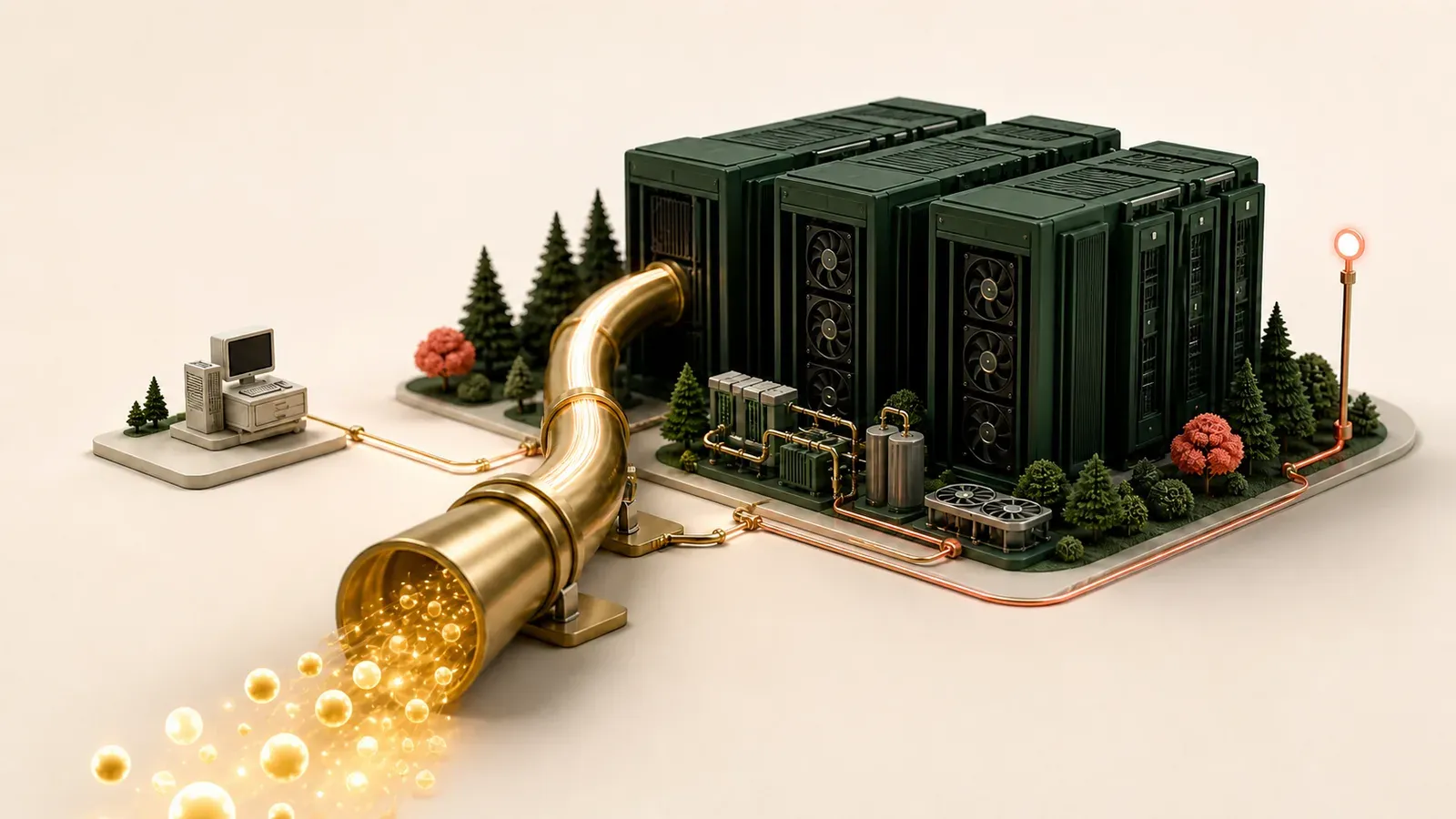
Nvidia and six financial firms plan to build platforms that can mobilize more than $500 billion of third-party capital for AI infrastructure over time. I separate that headline into:
- Committed capital: money with signed terms and defined conditions
- Mobilization target: money the platform intends to attract
- Deployed construction spend: money that reaches permitted, powered, active projects
The announcement is mainly about the second bucket. Scale matters, but it does not mean the full amount is already committed. A one-year gym membership does not deliver a six-pack in the same envelope.
Source: Axios on the Nvidia financing plan
2. Buildings and GPUs run on different clocks
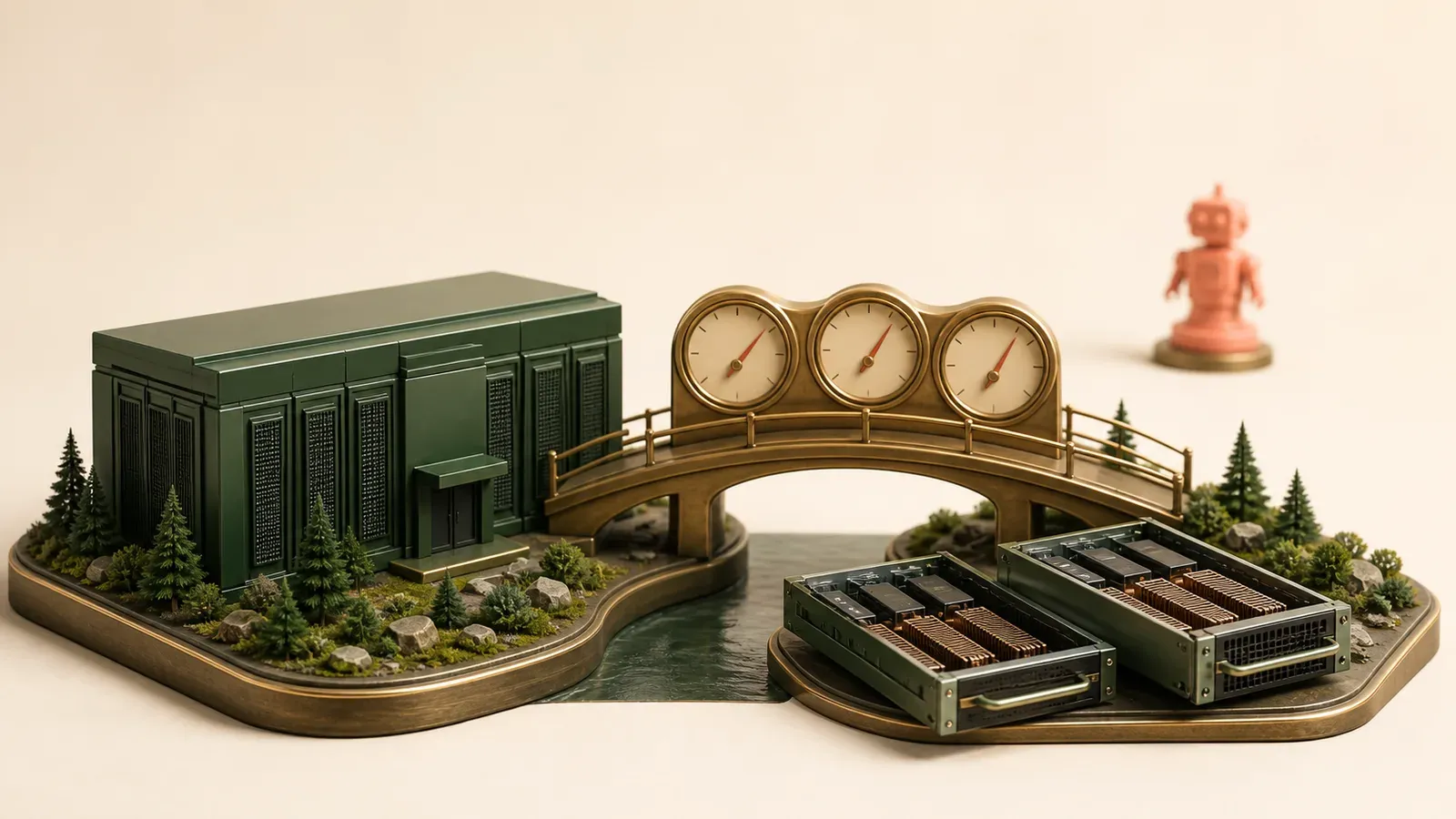
The building, substation, and cooling system can operate for years. The GPUs inside change generations much faster. Long-term debt can fund the first group while recurring refresh spending funds the second.
I therefore check these before a growth forecast:
- contracted power versus power actually available
- GPU utilization and customer contract length
- who pays for hardware refreshes
- customer concentration
- cash left after interest when rates rise
An underused data center resembles an extremely expensive sauna. It produces heat beautifully; without customers, only the ledger sweats.
3. Intel’s offering looks different to the company and its owners
Intel’s $15 billion common-stock offering gives the company capital for foundry investment without adding the same amount of debt. Existing shareholders, however, may own a thinner slice after new shares are issued. The roughly 4% fall on announcement day reflected that tension.
I have made the mistake of translating “raised a lot of money” into “the business is working.” This time I will wait for yields, customer contracts, and cash flow. An offering is fuel at the starting line, not a medal at the finish.
Source: Axios on Intel’s offering and market reaction
4. I watch Unitree’s operating line, not the subscription line
Unitree’s Shanghai IPO reflects strong interest in robotics. I did not use the unverified claim of 8,000-times retail subscription. The facts I could support were the August 10 subscription schedule, about 40.45 million new shares, and an original 4.202 billion yuan fundraising plan.
My next checklist is less spectacular:
- demonstration sales versus commercial deployments
- maintenance revenue after installation
- component cost and supply stability
- overseas sales restrictions
- repeat orders that become cash flow
A robot can perform a backflip, but the income statement will not applaud. Paying customers still have to order again.
Sources: Reuters report on Unitree’s IPO schedule, Shanghai Stock Exchange material
My risk boundary
I will not increase exposure to AI infrastructure, Intel, or robotics companies on today’s headlines alone. I want three confirmations first:
- the financing platform’s first real transactions and terms
- contracted utilization and secured power at data-center projects
- two or three quarters of post-offering cash-flow changes
My conclusion is plain: AI pays a cost of capital too. Growth can be high, but a business still needs cash left after interest, dilution, and hardware refreshes before it earns a place in my ledger.
Leaving a reaction may store a random identifier in this browser to prevent duplicates.